
By Laurenz Van de Sande — CryptoNewsHub
Brussels / New York — November 22, 2025 | 15:30 CET
Estimated reading time: 10 minutes
Key Points
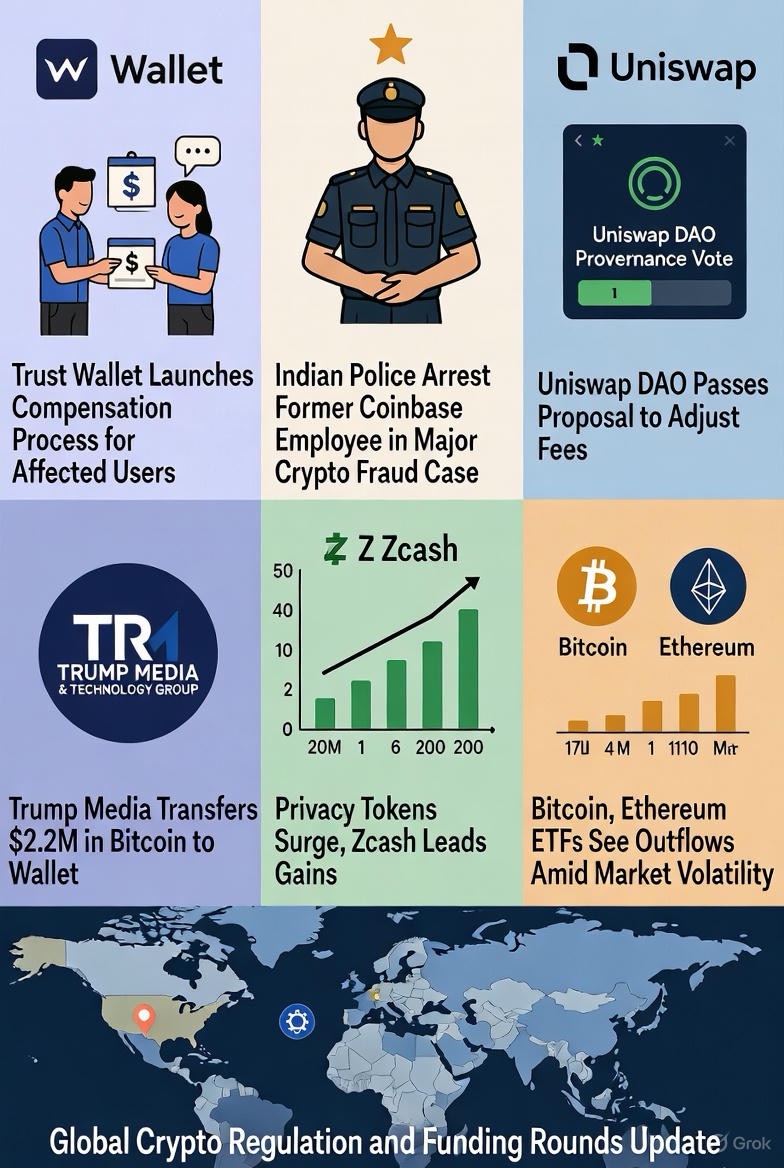
- Trust Wallet launched a formal compensation process after malicious code compromised its Chrome extension.
- Indian authorities arrested a former Coinbase agent tied to a previously disclosed data breach.
- Uniswap holders approved protocol fees and UNI token burns, redefining DeFi token economics.
- Trump Media executed large Bitcoin transfers as institutional crypto treasury strategies evolved.
- Privacy tokens surged, led by Zcash, as futures activity and on-chain usage spiked.
- Bitcoin and Ethereum ETFs extended outflow streaks amid weakening price momentum.
- Industry leaders warned that crypto lacks a transparent “mid-life” market for vested and locked tokens.
- Global regulation, exchange exits, and major funding rounds closed out the year with mixed signals.
Trust Wallet Begins Hack Compensation Process

Trust Wallet said Friday that it has initiated a formal compensation process for users affected by malicious code discovered in version 2.68 of its Chrome browser extension. The issue, identified earlier in the week, raised renewed concerns over browser-based wallet security.
Affected users can now submit claims through an official support form, providing details including email addresses, country of residence, compromised wallet addresses, attacker receiving addresses, and relevant transaction hashes.
In a statement, the company said the move reflects its commitment to users: “We are focused on ensuring impacted users are treated fairly and transparently while strengthening safeguards to prevent future incidents.”
The episode underscores a persistent challenge in self-custody crypto infrastructure, where security lapses — even brief ones — can lead to irreversible losses.
Indian Police Arrest Former Coinbase Agent

Indian police in Hyderabad arrested a former Coinbase customer service agent on Thursday in connection with the exchange’s data breach disclosed earlier this year.
Coinbase Chief Executive Brian Armstrong confirmed the arrest in a post on X, emphasizing the company’s stance on internal misconduct. “We have zero tolerance for bad behavior,” Armstrong wrote, adding, “Another one down and more still to come.”
The arrest highlights increasing cooperation between crypto firms and international law enforcement as regulators and exchanges clamp down on insider threats — a risk amplified by the global distribution of customer support operations.
Uniswap Governance Vote Reshapes Tokenomics
Uniswap’s community this week overwhelmingly approved the “UNIfication” proposal introduced by Uniswap Labs and the Uniswap Foundation, activating protocol fees and initiating large-scale UNI token burns.
The vote marks one of the most consequential governance decisions in decentralized finance, shifting UNI from a pure governance token toward a more economically active asset.
“This is a defining moment for Uniswap’s long-term sustainability,” one governance participant wrote during the vote. Supporters argue the change aligns incentives across users, liquidity providers, and token holders, while critics caution that fee activation may alter the protocol’s competitive dynamics.
Trump Media Executes Major Bitcoin Transfers

Trump Media and Technology Group moved roughly 2,000 Bitcoin — valued at approximately $174 million — across multiple wallet addresses, according to blockchain tracking data.
The transfers came one day after reports that the company had increased its total Bitcoin holdings to 11,542 BTC. Analysts noted that around $12 million ultimately reached Coinbase Prime Custody, with the remainder routed through multiple intermediary wallets.
The company has not commented publicly on the transfers, but the activity reflects a broader trend of corporate crypto treasuries becoming more active and operationally sophisticated.
Polymarket Blames Third-Party Login Provider

Prediction market platform Polymarket attributed a recent wave of account compromises to an unidentified third-party login provider. The company confirmed the issue in its Discord channels after users reported unexpected login alerts followed by fully drained balances.
Social media posts on Reddit and X detailed similar experiences, renewing debate over authentication standards and third-party dependencies in Web3 platforms.
Russia Proposes Tiered Crypto Trading Framework
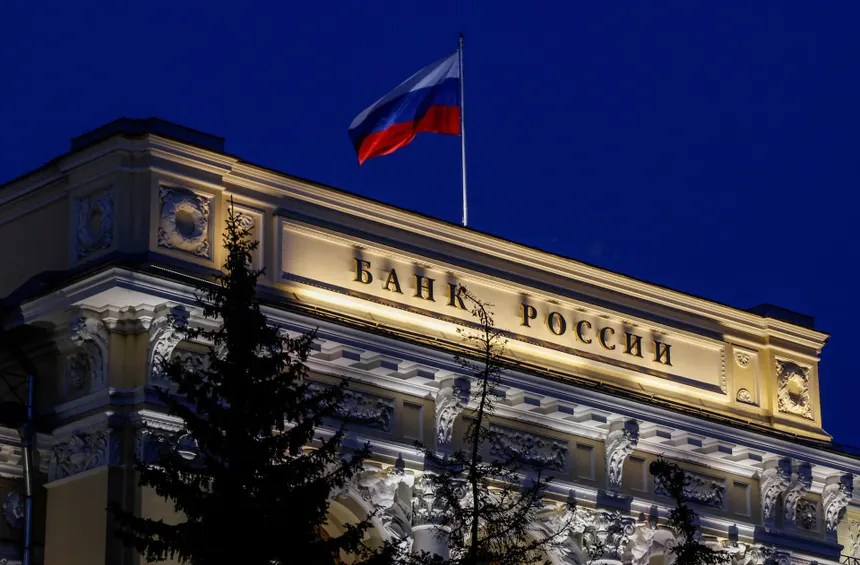
The Bank of Russia unveiled a proposal introducing a tiered regulatory framework that would allow both qualified and non-qualified investors to trade cryptocurrencies under separate rule sets.
Under the plan, cryptocurrencies and stablecoins would be classified as foreign currency assets — permitted for trading but prohibited for payment use within Russia. The proposal reflects Moscow’s ongoing effort to control crypto exposure while acknowledging investor demand.
Bybit to Exit Japanese Market
Bybit announced it will begin restricting services for Japanese residents next year to comply with local financial regulations. The exchange did not specify which products would be affected but said impacted users would receive detailed communications as changes are implemented.
The move highlights the growing regulatory divergence across Asia, forcing exchanges to tailor or withdraw offerings market by market.
Coinbase Expands Into Prediction Markets

Coinbase agreed to acquire The Clearing Company, advancing its push into event-based and prediction market trading. The deal follows the exchange’s recent rollout of prediction market products, part of what it calls its “everything exchange” strategy.
The acquisition positions Coinbase to compete more directly with specialized platforms like Polymarket — but with regulated infrastructure.
India Approves Coinbase–CoinDCX Investment
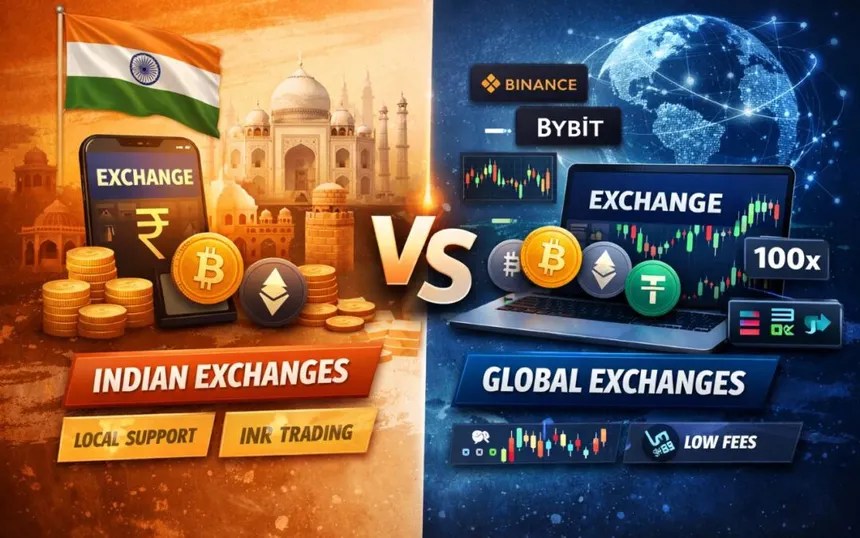
India’s Competition Commission approved Coinbase Global’s minority stake acquisition in CoinDCX, strengthening the U.S. exchange’s footprint in one of the world’s fastest-growing crypto markets.
The decision paves the way for deeper collaboration as India continues refining its digital asset regulations.
Zhao Outlines Post-Pardon Strategy

Former Binance Chief Executive Changpeng Zhao outlined his priorities for 2025 following his presidential pardon. He cited BNB Chain development, stablecoin “2.0” initiatives, prediction markets, and AI agents as key focus areas.
His work is structured around four pillars: the Giggle Academy education platform, YZi Labs investments, BNB Chain ecosystem development, and direct policy advisory roles with governments from Pakistan to the UAE.
Privacy Tokens Surge as Zcash Leads
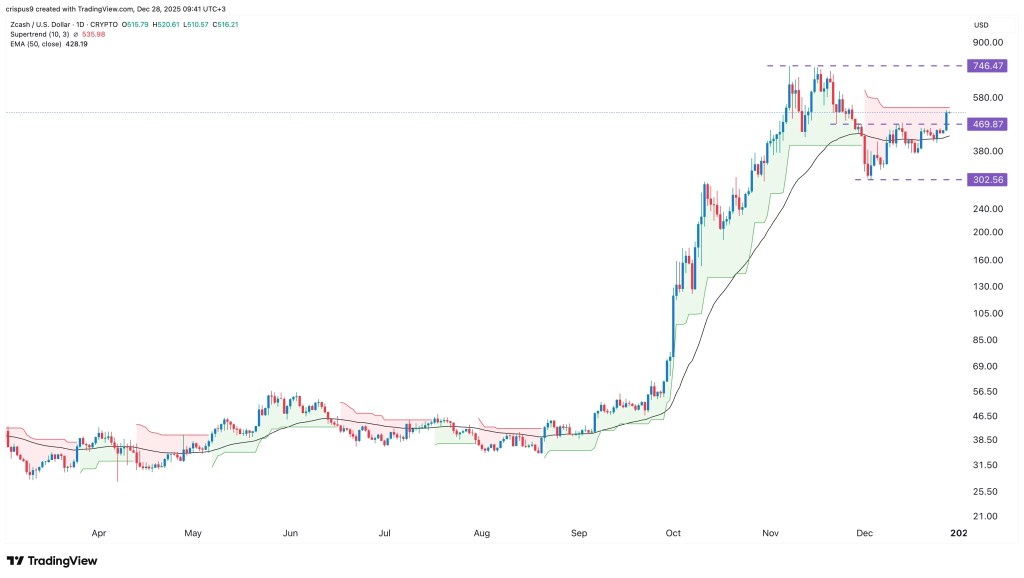
Zcash surged to its highest level since late November, climbing above $510 and rising more than 70% from its monthly lows. Futures open interest jumped to nearly $1.3 billion, close to all-time highs.
The rally extended across privacy-focused assets. Monero rose sharply from November lows, while Dash, Horizen, and Decred also posted strong gains. Rising open interest and surging spot volumes signaled renewed speculative and hedging demand.
Technical indicators showed ZEC moving above its 50-day exponential moving average and key resistance levels, with analysts suggesting upside targets near $746 — and potentially $800 — if momentum holds.
Bitmine Begins Staking Ethereum

Bitmine deposited 74,880 ETH — worth roughly $219 million — into Ethereum’s Proof-of-Stake network, marking its first staking operation.
At current yields, staking its full 4.066 million ETH treasury could generate over 126,000 ETH annually. Chairman Tom Lee said the move reflects long-term conviction. “Wall Street wants to tokenize everything,” Lee told CNBC, adding that Ethereum’s role in tokenization could eventually push prices to $7,000–$9,000 in early 2026.
Bitcoin and Ethereum ETFs Extend Outflows
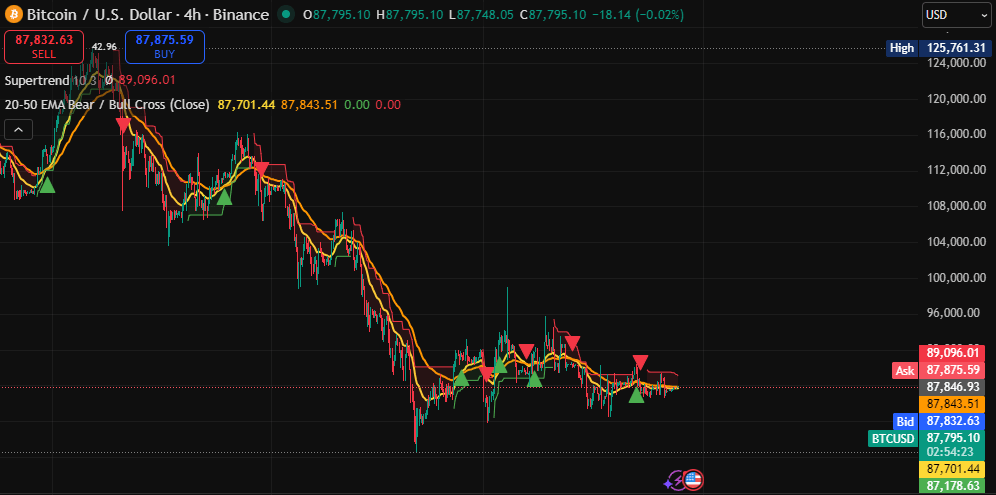
Bitcoin ETFs recorded $83.27 million in net outflows on December 26, extending a five-day redemption streak totaling more than $750 million. Fidelity’s FBTC led withdrawals, while most other funds posted zero flows.
Ethereum spot ETFs mirrored the weakness, logging $52.7 million in outflows as Bitcoin struggled to reclaim the $90,000 level. Analysts cited profit-taking and fading momentum as drivers.
Opinion: Crypto’s Missing “Mid-Life Market”

Industry veterans warned this week that crypto lacks a transparent “mid-life” market — a structured layer between issuance and spot trading where vested and locked tokens can trade openly.
“Prices get made in private chats,” one market participant wrote, arguing that opaque OTC deals distort valuation and disadvantage retail investors. Unlike traditional finance, which relies on platforms such as Nasdaq Private Markets, crypto skipped this step — jumping from issuance straight to speculation.
Without such a layer, analysts warn, real-world asset tokenization risks stalling, institutions may hesitate to scale exposure, and regulators could respond with blunt interventions.
Crypto Funding Closes 2025 Strong
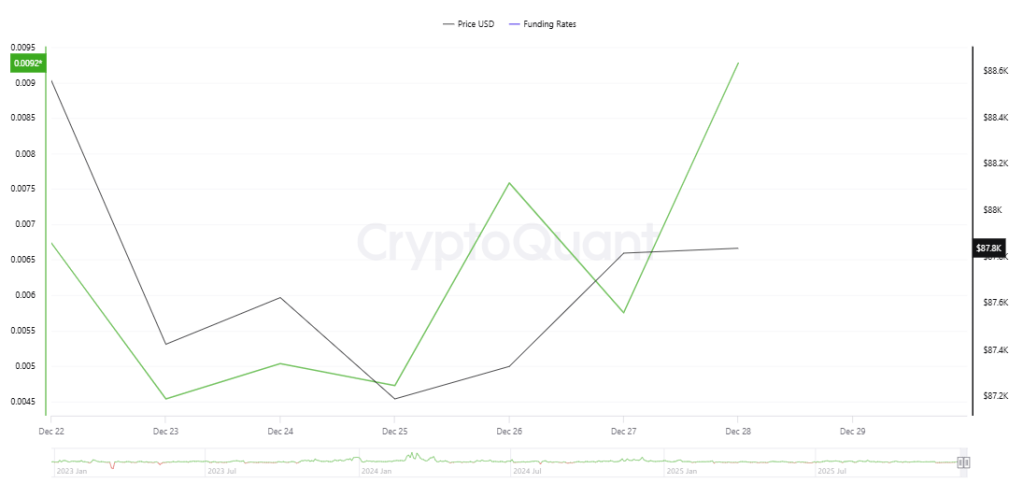
Crypto projects raised $316.2 million in the final week of 2025, led by HashKey Group’s $250 million raise. Finance and trading infrastructure dominated investor interest, closing the year on a note of cautious optimism.
Taken together, the week captured crypto’s contradictions: rapid innovation alongside recurring security failures; rising institutional adoption amid market stress; and a growing recognition that the industry’s infrastructure — not just prices — must mature for long-term credibility.
© 2025 Cryptonewshub — This article is original content created exclusively for you, and all rights are transferred to you for publication and distribution.
 CryptoNewsHub
Leave a comment