
By Laurenz Van de Sande — CryptoNewsHub
France / New York — October 31, 2025 | 1:05pm CET
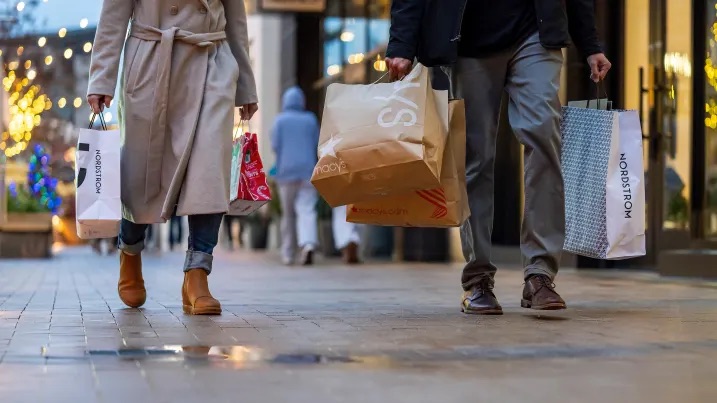
After months of muted impact, U.S. tariffs are finally making their way into consumer prices, just as the holiday shopping season begins. Economists warn that the timing could add pressure to household budgets — and complicate the Federal Reserve’s efforts to cool inflation.
Tariffs Set to Lift Prices Into the Holidays
President Donald Trump’s tariffs, implemented earlier this year on a wide range of imported goods, are beginning to flow through the supply chain. While consumer price increases were modest through much of 2025, analysts say that the real effects are arriving at the checkout counter.
“We think there’s no debate — tariffs have pushed consumer prices higher,”
said Aditya Bhave, economist at Bank of America, in a recent research note.
Bank of America estimates that tariffs could add half a percentage point to the Federal Reserve’s key inflation gauge — the core Personal Consumption Expenditures (PCE) index. Without tariffs, the inflation rate would likely sit closer to 2.4%, versus the current 2.9% level cited by Fed Chair Jerome Powell this week.
The Fed aims to maintain core inflation at 2%, a target it hasn’t hit since early 2021.
Muted Effects Give Way to Higher Costs
Until now, companies have shielded consumers by absorbing tariff costs and building up pre-duty inventories, which helped limit price spikes. But that buffer is wearing thin.
As corporate profit margins narrow, economists say businesses are now passing costs on to shoppers. Bhave estimates that consumers are bearing 50% to 70% of total tariff costs, with companies absorbing the remainder.
“Inflation in certain goods can have an outsized impact on consumer confidence, even if those items carry a negligible weight in the CPI basket,”
analysts at TD Cowen wrote.
Prices Rising on Everyday Goods
Recent data from the Bureau of Labor Statistics shows noticeable increases in several consumer categories — coffee, furniture, and clothing, the latter of which rose 0.7% in September. These are not big contributors to inflation metrics but hold symbolic weight for shoppers who feel the pinch daily.
TD Cowen analysts pointed to artificial Christmas trees as a timely example. The vast majority are imported from China — now subject to Trump’s new tariffs — meaning consumers could see holiday décor costs spike.
“Artificial Christmas trees are not unique, but they serve as a clear example of how high-tariff, seasonal goods can shape consumer perceptions of inflation,”
the firm noted.
Shoppers Turning to Credit and Loans
According to LendingTree, if the current tariffs had been active during last year’s holiday season, U.S. shoppers would have spent an additional $40.6 billion overall. The firm’s Budget Lab estimates that 70.5% of new tariffs were passed on to consumers by June 2025.
“That means even more Americans will fall back on credit cards and personal loans to cover gift-buying expenses,”
said Matt Schultz, LendingTree’s chief consumer finance analyst.
LendingTree calculates the average tariff cost at $132 per shopper this season — a tangible impact for families already contending with higher prices and tighter credit conditions.
Inflation’s Psychological Effect
Economists warn that rising costs on small but visible items — like coffee or holiday décor — can create a self-reinforcing inflation cycle by shaping consumer expectations. When shoppers believe prices are rising, they tend to spend faster and save less, which can fuel additional inflation pressure.
As Bhave of Bank of America put it:
“Tariffs may not cause runaway inflation, but they’re certainly preventing it from falling — and that’s enough to make this holiday season more expensive for everyone.
© 2025 CryptoNewsHub. All rights reserved.
 CryptoNewsHub
Leave a comment